safety
Life after death: From burned trees to bleached corals, how dead organisms live on as the building blocks of new life
By Florida International University Community Newspapers
· June 11, 2026
· 1 min read
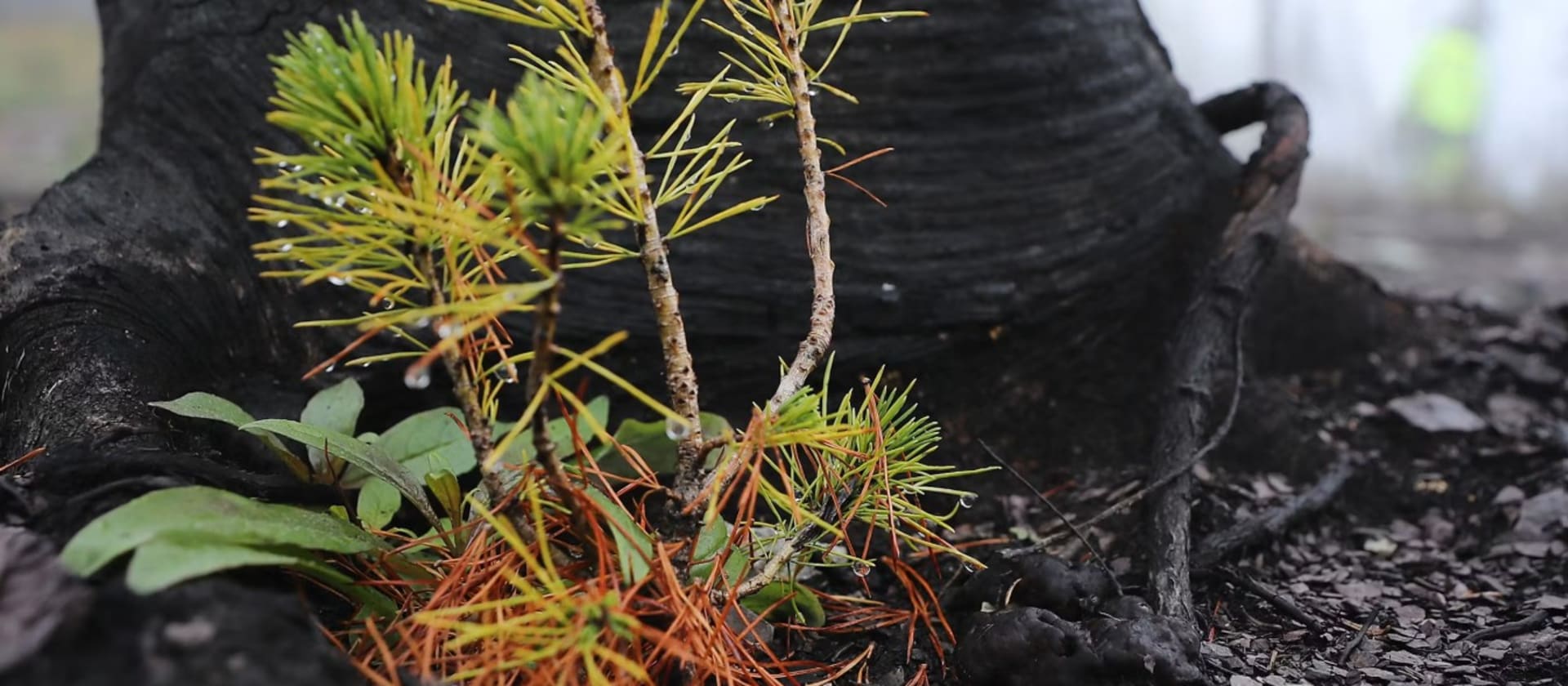
Kai Kopecky, University of Colorado Boulder and John Kominoski, Florida International University People’s knee-jerk reaction to seeing death in nature is often not positive. The burn scar left by wildfire on a once-forested hillside, or a ghostly white coral reef, may evoke tragedy and despair. But
Key takeaway But in nature, most plants and animals are recycled back […] The post Life after death: From burned trees to bleached corals, how dead organisms live on as the building blocks of new life first appeared on Miami 's Community News.
Why this matters in The Miami
In Miami's ecosystem, the concept of life after death takes on a unique significance. The city's proximity to coral reefs, which are susceptible to bleaching, makes the recycling of dead organisms a crucial process for maintaining the health of these underwater ecosystems. As sea levels rise and hurricane risks increase, the resilience of Miami's natural habitats is put to the test. The ability of dead coral to serve as a foundation for new growth is essential for the long-term survival of these reefs, which in turn support a diverse array of marine life. In Miami's coastal neighborhoods, such as Miami Beach, the connection between dead organisms and new life is a tangible reminder of the interconnectedness of the city's ecosystem. As residents and visitors alike navigate the impacts of climate change, understanding the role of death in nature can inform strategies for preserving and protecting Miami's unique environment.
About this story
Original reporting by Community Newspapers . The Miami surfaces reporting from trusted publishers and adds local editorial context so readers can quickly understand what a story means for their community. We attribute every source, link to the original report, and follow a documented editorial standards policy. To understand how stories are selected and reviewed, read our about page .
For the complete original report, visit Community Newspapers . Have a tip or correction? Contact our newsroom .
Category: safety Published: June 11, 2026 Source: Community Newspapers Reading time: 1 min
newsletter" aria-label="Newsletter signup" style="margin:24px 0;padding:20px 24px;background:linear-gradient(135deg,#1e3a5f 0%,#2d5a8c 100%);border-radius:10px;color:#fff">
Get more The Miami stories like this
Free weekly briefing covering safety and other local news. Curated by our editorial team. No spam.
By subscribing you agree to our privacy policy . Unsubscribe anytime.
Frequently asked about this story
What is this story about? Kai Kopecky, University of Colorado Boulder and John Kominoski, Florida International University People’s knee-jerk reaction to seeing death in nature is often not positive. The burn scar left by wildfire on a once-forested hillside, or a ghostly white coral reef, may evoke tragedy and despair. But
When was this published? This article was first published on June 11, 2026 by Community Newspapers and curated for The Miami readers.
Who reported this story? This story was reported by Florida International University at Community Newspapers. To learn more about how The Miami selects and reviews stories, see our editorial standards .
Where can I find related coverage? See more safety coverage from The Miami, or browse our daily briefing and topic hubs .
← Back to all news
More safety →
Today’s briefing
Subscribe to newsletter